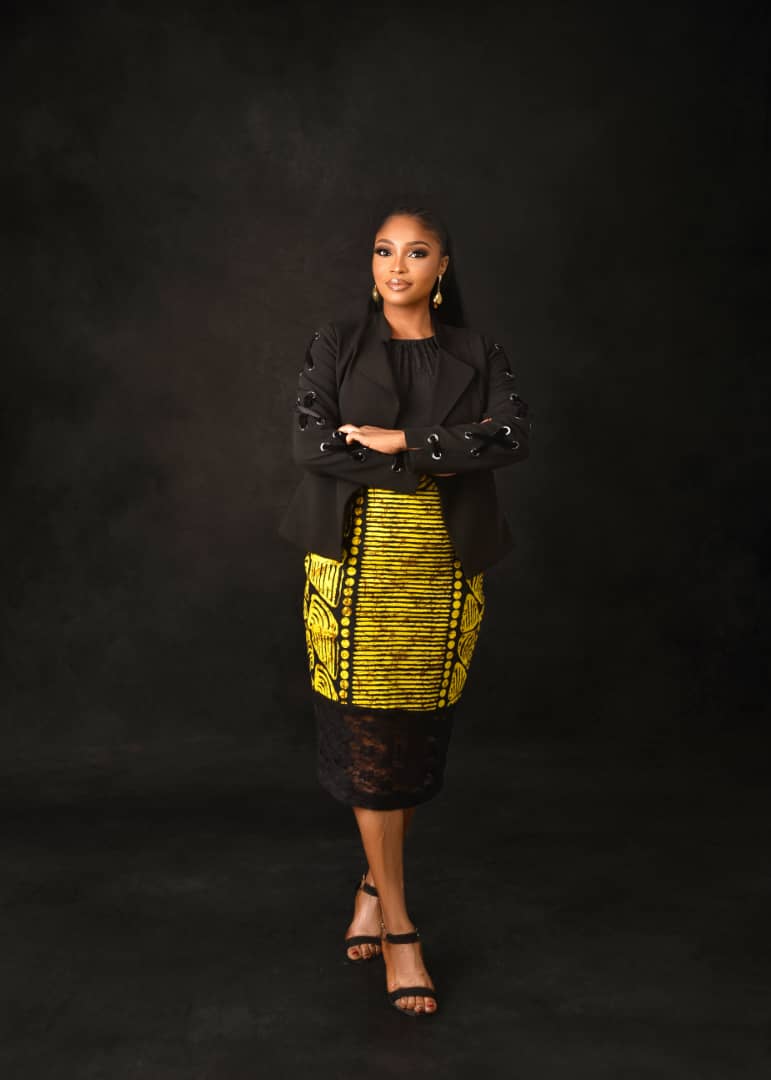
In our “Deadly Funding Mistakes” series, we’ve explored the importance of knowing your precise funding needs, the perils of panic-driven fundraising, and the dangers of accepting unfavorable terms. Today, we confront arguably the most insidious part of the third mistake: self-exclusion from critical funding opportunities.
This isn’t just about a lack of information; it’s a subtle, often unconscious bias that can lead entrepreneurs to prematurely decide that certain funding types “aren’t for people like me.” As I explored in my doctoral research, this phenomenon is particularly prevalent among female entrepreneurs, but it can affect anyone who feels marginalized or outside the traditional funding narrative.
The Root of Self-Exclusion: More Than Just Information Gaps
Why do talented, driven founders self-select out of opportunities that could transform their businesses? The reasons are complex and often deeply ingrained:
-
Internalized Biases: Societal stereotypes about who “gets funded” can lead individuals to internalize beliefs that they don’t fit the mold, even if their business is strong.
-
Lack of Representation/Role Models: If you don’t see people who look like you, or come from your background, successfully securing certain types of funding (e.g., venture capital), it’s harder to envision yourself in that space.
-
Fear of Discrimination: Past negative experiences, or a general awareness of systemic biases in the funding ecosystem, can lead to a protective instinct to avoid perceived unwelcoming environments.
-
“Imposter Syndrome”: A feeling that one isn’t qualified or “good enough” for certain high-profile funding avenues, despite evidence to the contrary.
-
Limited Networks: If your immediate network is not connected to diverse funding streams, you may simply be unaware of options beyond the most conventional.
This can manifest as an assumption that “those funds aren’t for me,” or “I won’t qualify,” without even investigating.
The Cost of Self-Exclusion: A Cycle of Underfunding
The impact of self-exclusion is profound and perpetuates a cycle:
-
Limited Access to Capital: By narrowing your search, you miss out on potentially ideal funding partners who are actively seeking diverse founders or specific business models.
-
Perpetuates Underfunding: If a significant segment of the entrepreneurial population self-excludes, it contributes to overall underfunding for those groups, hindering their growth and economic impact.
-
Constrained Growth: Without optimal funding, businesses may grow slower, miss market opportunities, or struggle to scale effectively, even if their core idea is brilliant.
-
Reduced Innovation: Diverse perspectives lead to diverse solutions. If certain groups are systematically underfunded, it limits the range of innovative products and services brought to market.
Strategies to Overcome Self-Exclusion: Breaking the Invisible Chains
It’s crucial to actively challenge your own biases and seek out information on diverse funding streams. The capital you need might be closer than you think, but only if you’re willing to explore every avenue.
-
Awareness & Challenge: The first step is to recognize when you’re making assumptions about funding types or your eligibility. Actively question self-limiting beliefs. “Why do I think this isn’t for me? Is that based on facts or a perception?”
-
Seek Mentorship & Support Networks: Connect with entrepreneurs (especially those from similar backgrounds) who have successfully navigated various funding landscapes. Their experiences, advice, and introductions can be invaluable. Join communities focused on supporting diverse founders.
-
Knowledge is Power: Research Thoroughly: Don’t rely on hearsay. Dive deep into the criteria for “unconventional” funding types like grants, impact investing, specific accelerator programs, or even niche VCs. You might be surprised at the fit.
-
Focus on the Business Case (Blind Application/Advocacy): Where possible, let your business’s merits speak for themselves. Craft a robust business case, pitch deck, and financial projections that are undeniable. Advocate for your venture based on its potential, not on preconceived notions of who gets funded. Highlight your unique advantages as a diverse founder, which can often be a strength, not a weakness.
-
Highlight Strengths & Unique Value: As a diverse founder, you often bring unique perspectives, solve overlooked problems, and access underserved markets. Frame these as strengths that make your business particularly attractive to certain investors or grant-makers. Don’t shy away from your identity; leverage it.
Don’t let perceived barriers limit your potential. Your business deserves the right funding!
Breaking free from self-exclusion is a powerful act of empowerment. The capital you need might be closer than you think, but only if you’re willing to explore every avenue.
-
Uncover your true funding readiness and identify any hidden biases with our Funding Readiness Quiz: bit.ly/fundingreadyquiz
-
For a strategic discussion on overcoming funding barriers and exploring all your options, book a Funding Audit Session with me: bit.ly/fundaudit